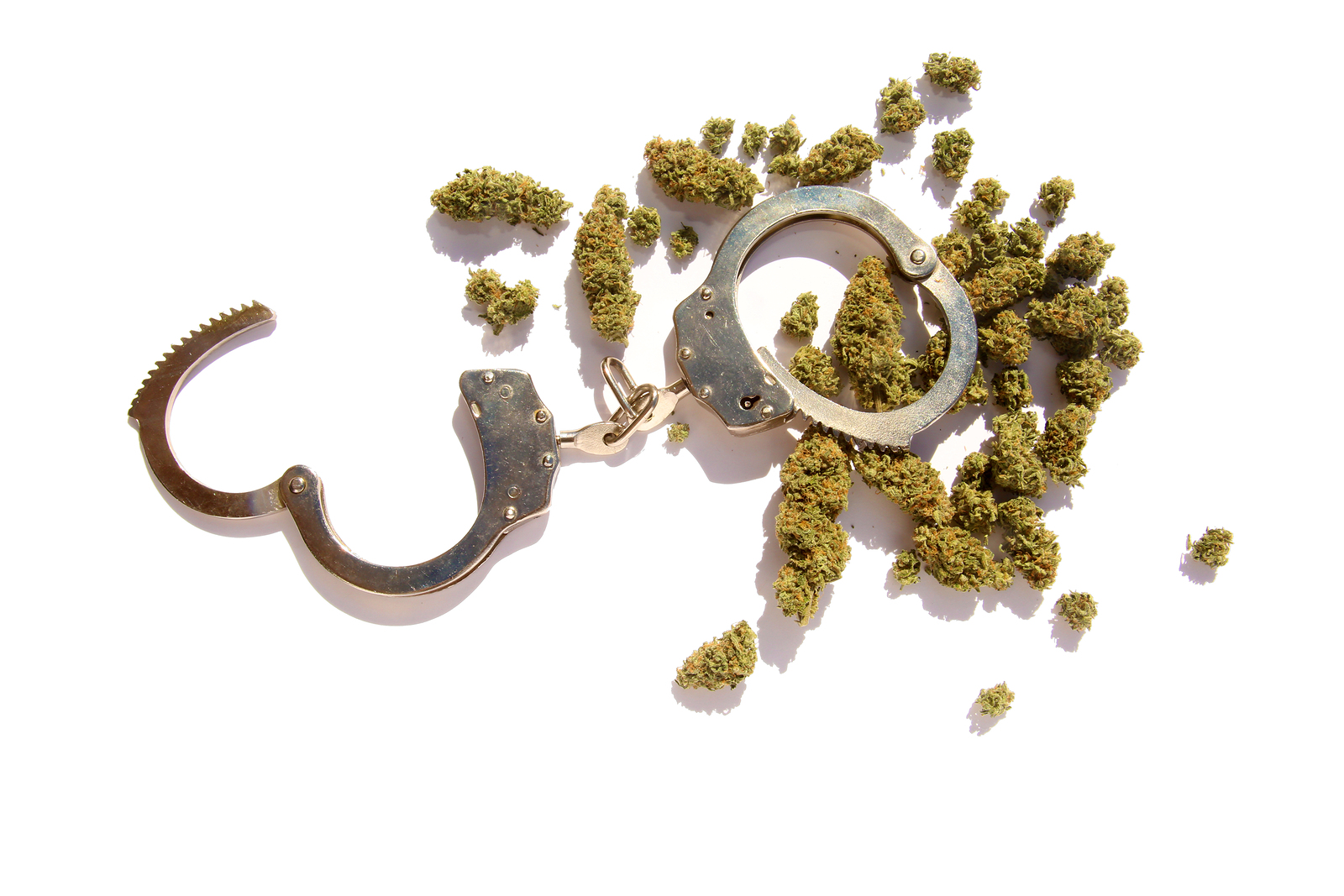
South Carolina remains one of the strictest states in the country when it comes to marijuana. While dozens of states have moved toward legalization or decriminalization, South Carolina still treats marijuana possession as a criminal offense that can land you in jail, even for small amounts. At the same time, the state's hemp laws are shifting quickly, creating confusion for residents, business owners, and anyone who's been charged with a drug crime.
If you're facing a marijuana or hemp-related charge in the Greenville, Greer, or greater Upstate area, understanding the current law is the first step. The second step is calling a drug defense attorney who knows how these cases are actually handled in South Carolina courts.
Is Marijuana Legal in South Carolina in 2026?
No. Marijuana is not legal in South Carolina for recreational or medical use. The state has no functioning medical marijuana program, despite years of legislative attempts. Senate Bill 53, known as the "Compassionate Care Act," was introduced in January 2025 and would have created a limited medical cannabis framework. As of May 2026, that bill remains stalled in the Medical Affairs Committee with no hearing scheduled.
A separate decriminalization bill (HB 3804) was also introduced but has not advanced. South Carolina lawmakers have shown little appetite for cannabis reform compared to neighboring states like Virginia and North Carolina, which have both taken steps toward legalization or decriminalization in recent years.
The bottom line: possessing any amount of marijuana in South Carolina is still a crime, and law enforcement continues to actively prosecute these cases.
South Carolina Marijuana Possession Penalties
The penalties for marijuana possession in South Carolina depend on the amount, whether it's a first or subsequent offense, and whether prosecutors believe you intended to distribute.
Simple Possession (1 Ounce or Less)
- First offense: Misdemeanor. Up to 30 days in jail or a fine between $100 and $200.
- Second or subsequent offense: Misdemeanor. Up to 1 year in jail and/or a fine between $200 and $1,000.
Possession of More Than 1 Ounce
- First offense: Misdemeanor. Up to 6 months in jail and/or a fine up to $1000.
- Second or subsequent offense: Misdemeanor. Up to 1 year in jail and/or a fine up to $2000.
Possession with the Intent to Distribute (PWID)
- First offense: Felony. Up to 5 years in jail and/or not more than $5000.00 fine.
- Second offense: Felony. Up to 10 years in jail and/or not more than $10,000 fine.
- Third offense: Felony. 5 - 20 years in jail and/or not more than $20,000 fine.
Trafficking in Marijuana
- 10 lbs but less than 100 lbs
- First offense: Felony. 1 - 10 years in jail and $10,000 fine.
- Second offense: Felony. 5 - 20 years in jail and $15, 000 fine.
- Third offense: Felony. 25 years in jail and $25,000 fine.
- 100 lbs but less than 2,000 lbs: Felony. 25 years in jail and $25 000 fine.
- 2000 lbs but less than 10,000lbs: Felony. 25 years in jail and $50.00 fine.
- More than 10,000 lbs: Felony: 25 - 30 years in jail and $200,000. fine.
Hashish and cannabis concentrates carry their own penalty structure. Possession of 10 grams or less of hashish is treated similarly to simple marijuana possession, but amounts over 10 grams can be charged as a felony with up to 5 years in prison.
A drug crime lawyer can often challenge the "intent to distribute" element of these charges. Factors like packaging, scales, large amounts of cash, or the quantity alone can be used by prosecutors to upgrade a simple possession charge, but those factors are not always as clear-cut as the state makes them sound.
Is CBD Legal in South Carolina?
Yes, CBD is legal in South Carolina, but the rules are more complicated than most people realize. Under both federal law (the 2018 Farm Bill) and South Carolina state law, CBD is defined as a substance containing no more than 0.3% Delta-9 THC on a dry weight basis. Products that meet this threshold can be legally sold, possessed, and consumed.
What to Do If You're Facing a Drug Charge in South Carolina
Whether you've been charged with marijuana possession, caught up in a hemp enforcement action, or accused of distribution, these cases carry real consequences. A conviction can mean jail time, fines, a permanent criminal record, loss of employment opportunities, and difficulty finding housing.
A drug defense attorney can evaluate the specific facts of your case and identify potential defenses. Common defense strategies in South Carolina drug cases include:
- Challenging the search and seizure: Was the traffic stop lawful? Did police have probable cause or a valid warrant?
- Questioning the lab results: Was the substance properly tested? Can the state prove the THC content exceeded legal limits?
- Disputing intent to distribute: Law enforcement often overcharge, and the evidence of "intent" can be weak.
- Exploring diversion programs: First-time offenders may qualify for pretrial intervention or conditional discharge, which can result in charges being dismissed.
The earlier you get legal counsel involved, the more options are typically available. Evidence can be preserved, witnesses can be interviewed, and defense strategies can be built before the state locks in its case. Don't wait to get legal help. Contact John Newkirk for a consultation about your marijuana, hemp, or drug charge. The sooner you call, the more options you have!
If you're looking for a Drug Defense Lawyer or a Criminal Defense Lawyer, contact our team to discuss your situation today!